Popular Articles

Best Practices for Designing Multi-Tenant Architectures in B2B SaaS
This article explains how multi-tenant architectures work in B2B SaaS and why design choices affect data isolation, performance, and compliance. It is for product, engineering, and security readers who need practical guidance without hype. You will learn common failure modes, concrete patterns for tenant isolation, safe onboarding and migrations, and a decision checklist for shared vs isolated resources. Two anonymized examples show how teams debug noisy neighbors and access control issues.
development

The Shift to Graph Databases: When to Move Beyond SQL and NoSQL
Graph databases store relationships as first-class data, so queries can follow paths like “patients who share a genetic variant” or “suppliers connected through common ownership.” This guide explains how graph models differ from SQL tables and document stores, where graph queries reduce join pain, and where they add new costs. It’s for teams evaluating databases for health-adjacent data, fraud, or knowledge graphs, with practical checklists, example migrations, and common pitfalls to avoid.
development

Implementing Chaos Engineering: Preparing Systems for Unforeseen Failures
Chaos engineering tests how software behaves under controlled failure, so teams learn what breaks before real incidents. This guide is for engineers, SREs, and technically minded readers who want practical methods, safety boundaries, and measurable outcomes. You’ll learn how to pick experiments, design blast-radius limits, instrument services, and interpret results without confusing chaos with negligence. Includes anonymized case examples, a decision checklist, and common mistakes to avoid.
development

Green Computing: Code for Carbon Cut
Green computing is about building software that does the same job while using less energy - and that can mean a smaller carbon footprint and lower cloud bills at the same time. This article breaks down how developers and engineering teams can write and optimize code to reduce the emissions created by everyday IT workloads. You’ll learn practical ways to spot inefficient algorithms, trim unnecessary compute and network usage, and avoid wasteful patterns that keep servers busy for no reason. It also looks at the impact of power-hungry infrastructure and shows how smarter engineering choices can cut server load without sacrificing performance.
development

How to Implement Effective Feature Flags in Continuous Deployment
Feature flags let you turn features on or off without pushing a new deployment, making releases safer and easier to control. In this article, you’ll learn how teams use feature toggles inside continuous deployment pipelines to roll out changes gradually, test in production, and quickly disable a problem feature if something goes wrong. It includes real examples, useful metrics to track (like error rates and rollout impact), and common pitfalls to avoid - such as flag sprawl, inconsistent configs, and security gaps. Built for developers and DevOps teams, it offers practical steps to reduce release risk while moving faster.
development

Strategies for Reducing Technical Debt in Fast-Growing Startups
As startups grow, moving fast often comes at the cost of accumulating technical debt - outdated code, rushed development decisions, and shortcuts that can eventually slow innovation and increase maintenance costs. This article is designed for startup founders, CTOs, engineering managers, and software development teams who want to scale without sacrificing long-term stability. It explores the most common sources of technical debt, explains how to recognize warning signs before they become major obstacles, and shares practical strategies for balancing rapid product delivery with sustainable software development. Through real-world examples, proven engineering practices, and actionable insights, readers will learn how to reduce technical debt, improve code quality, and build technology that can support continued growth with confidence.
development

Best Practices for Designing Developer-Friendly Web APIs
Creating a web API is about more than making systems communicate - it's about making life easier for the developers who use it. A well-designed API can speed up integration, reduce confusion, and help teams build with confidence. In this article, we explore common API design mistakes that often lead to frustration, along with practical strategies for avoiding them. Through real-world examples, expert insights, and actionable best practices, you'll learn how to build APIs that are clear, consistent, reliable, and genuinely enjoyable for developers to work with.
development
The Rise of Low-Code/No-Code Tools in Enterprise Development
Low-code and no-code platforms are transforming enterprise development by enabling faster, more accessible app creation outside traditional software development. These tools help business units rapidly prototype solutions and reduce backlog pressures on IT teams. This article breaks down what these platforms offer, exposes common pitfalls, and provides practical guidance rooted in real-world enterprise cases.
development
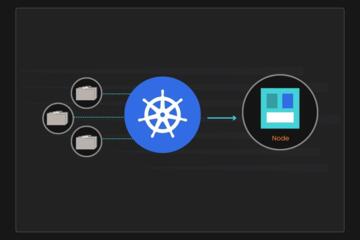
A Guide to Containerization with Docker and Kubernetes
Containerization can make shipping software faster and more predictable - but only if you set it up the right way. In this guide, you’ll learn how to use Docker and Kubernetes in a practical, real-world way, from packaging an app into a container to deploying, scaling, and managing it in production. We’ll walk through common mistakes teams run into (like bloated images, fragile configs, and networking or security surprises) and show proven fixes and best practices. It’s a hands-on read for developers, sysadmins, and DevOps pros who want smoother deployments, better scalability, and less operational overhead.
development

Optimizing Database Queries for High-Traffic Apps
High-traffic apps don’t usually slow down because of one “big” problem - they crawl because of a handful of small query and indexing mistakes that add up under load. This article is written for software engineers and DBAs who need better performance and smoother scaling without guesswork. It breaks down the most common bottlenecks in query design, indexing strategy, and execution plans, then shows how to fix them with practical, production-friendly techniques. You’ll also get real-world case studies and a straightforward checklist you can use to spot issues early, avoid expensive missteps, and boost throughput as traffic grows.
development