The future of software development in 2025 is shaping into one of the most transformative moments in tech history. The main keyword — the future of software development in 2025 — captures a shift driven by AI innovation, platform engineering, automation, cybersecurity needs, and global talent evolution. Companies like Google, Microsoft, GitHub, and Coursera are already building tools and educational programs that prepare developers for the new era. This article explains what to expect, how to adapt, and what skills will matter most.

The Major Forces Shaping Software Development in 2025
Several global dynamics are reshaping how we build software. These forces impact tools, workflows, hiring strategies, and architecture choices.
1. AI-Driven Development Becomes the New Normal
AI coding assistants will dominate the daily routines of both junior and senior developers.
Tools like:
-
GitHub Copilot
-
Amazon CodeWhisperer
-
Google Gemini Code Assist
-
JetBrains AI Assistant
…are no longer optional helpers. They are becoming core parts of the workflow.
Why AI becomes unavoidable
-
AI reduces repetitive work (up to 40%, according to McKinsey).
-
AI improves documentation quality and consistency.
-
AI can generate unit tests at scale.
-
AI provides architectural suggestions, not only code completion.
-
Enterprises invest in private AI coding models for security.
Real-world example
Goldman Sachs reported that developers using AI copilots reduced coding time significantly while improving consistency in internal tools.
2. Low-Code & No-Code Platforms Expand (But Don’t Replace Developers)
Low-code systems (e.g., Mendix, OutSystems, Microsoft Power Apps) will become a default part of enterprise digital transformation strategies.
What changes in 2025
-
Companies use low-code for internal tools, dashboards, and workflow automation.
-
Developers act more like solution architects supervising business users.
-
Integration between low-code and traditional code becomes seamless.
-
Low-code security scanning becomes mandatory.
Key takeaway
Low-code doesn’t eliminate developers. It reduces the time spent on routine interfaces and CRUD operations, allowing engineers to focus on advanced logic, data models, and security.
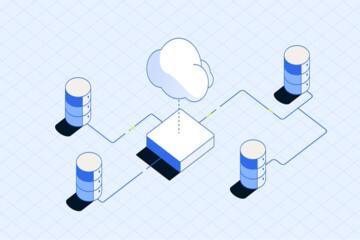
3. Cloud-Native Architectures Continue to Dominate
By 2025, cloud-native development becomes the standard approach for new applications.
Main components
-
Kubernetes (EKS, GKE, AKS)
-
Serverless functions (AWS Lambda, Azure Functions, Cloud Run)
-
Microservices with service meshes (Istio, Linkerd)
-
Infrastructure as Code (Terraform, Pulumi)
Why cloud-native wins
-
Scaling becomes predictable.
-
Deployment automation becomes easier.
-
Multi-cloud strategies reduce vendor lock-in.
-
Costs decrease through pay-as-you-go policies.
Case Example:
Hilton migrated multiple internal applications to Kubernetes, resulting in better uptime and reduced deployment failures.
4. Cybersecurity Automation Becomes Mandatory
Cyber threats grow, and development teams must integrate security from the start.
Security shifts in 2025
-
AI-powered vulnerability scanning
-
Automated threat detection
-
Continuous Pentesting-as-a-Service
-
Secure-by-design architecture patterns
-
Zero-trust networks for distributed teams
Tools that dominate the market
-
Snyk
-
Prisma Cloud
-
Microsoft Defender for Cloud
-
GitLab Security Ultimate
Developers must understand cybersecurity fundamentals, not only rely on security teams.
5. The Rise of Platform Engineering
Platform engineering becomes one of the fastest-growing roles in engineering teams.
What platform teams provide
-
Internal developer portals (IDPs)
-
Reusable infrastructure modules
-
Golden paths for microservices
-
Secure templates and automation pipelines
-
Standardized governance
Companies like Spotify pioneered this approach with Backstage, which became an industry standard.
Key Skills Developers Will Need in 2025
1. AI Collaboration Skills
Developers must know:
-
Prompt engineering
-
Reviewing AI-generated code
-
AI debugging
-
AI-driven test generation
2. Cloud & DevOps Literacy
Must-have knowledge includes:
-
Docker
-
Kubernetes basics
-
CI/CD pipelines
-
Secret management
-
Monitoring and observability
3. Advanced Front-End Development
Front-end skills remain in demand:
-
React Server Components
-
Astro, Svelte, Next.js
-
Edge functions
-
Web performance optimization
4. Backend Development With Modern Patterns
Skills include:
-
Event-driven architecture
-
Distributed systems
-
API design
-
Database scaling
-
Caching strategies
5. Cybersecurity Awareness
Developers must understand:
-
OWASP
-
Secure API design
-
Authentication flows
-
Data encryption basics
These skills will separate high-paid developers from entry-level candidates.
The Role of AI in Coding: From Autocomplete to Autonomous Agents
AI Takes Over Repetitive Development Work
In 2025, AI performs tasks like:
-
Writing boilerplate code
-
Generating unit tests
-
Refactoring legacy functions
-
Creating documentation
-
Reviewing pull requests
AI-Assisted Architecture Design
Advanced models can suggest:
-
Modular designs
-
Folder structures
-
API schemas
-
Performance improvements
AI Agents Will Execute Entire Workflows
Examples:
-
“Refactor this repo to microservices.”
-
“Convert the API layer to GraphQL.”
-
“Optimize database queries for PostgreSQL.”
AI will not replace developers — but developers who understand AI will replace those who do not.
The Changing Role of the Developer in 2025
Developers Become System Designers
Instead of writing every line of code, developers:
-
Validate AI output
-
Design architecture
-
Ensure maintainability
-
Communicate requirements
-
Integrate systems
Collaboration Becomes Global
Remote development expands.
Distributed teams become the norm.
Companies hire globally using platforms like Toptal, Deel, and Remote.com.
How Teams Will Build Software in 2025
1. AI-First Workflows
Steps:
-
AI drafts architecture.
-
Developers refine constraints.
-
AI generates code files.
-
Developers review and correct.
-
Tests are generated automatically.
2. Shift-Left Security
Security enters the earliest stages of development.
3. Continuous Delivery by Default
Rapid CI/CD pipelines shorten delivery cycles.
4. Documentation Becomes Automated
AI auto-updates README files, API references, and changelogs.
5. Testing Evolves Into Intelligent Quality Engineering
AI detects anomalies during test execution and suggests fixes.
Practical Advice: How to Prepare for 2025
1. Learn Cloud Fundamentals
Study AWS, Azure, or Google Cloud.
Take courses (Coursera, Pluralsight).
Build a small app and deploy it.
2. Use an AI Coding Assistant Daily
Practice:
-
Generating tests
-
Refactoring
-
Writing documentation
3. Build a Strong GitHub Portfolio
Recruiters prefer real project examples.
4. Learn One Modern Framework Deeply
Choose:
-
Next.js
-
NestJS
-
Django
-
FastAPI
5. Strengthen Problem-Solving Skills
Focus on:
-
Algorithms
-
Data structures
-
System design
6. Don’t Ignore Security
Developers with security skills earn more and are hired faster.
Common Mistakes Developers Make (And How to Avoid Them)
Mistake #1: Relying Too Much on AI
AI is a tool, not a replacement for knowledge.
Mistake #2: Ignoring Cloud Costs
Unmanaged cloud usage leads to overspending.
Mistake #3: Poor Documentation
Even with AI, maintain clarity and structure.
Mistake #4: Avoiding Hard Topics
Do not avoid:
-
Networking
-
Security
-
Data modeling
Mistake #5: Overengineering
Simple architecture is often the best solution.
What Companies Will Look For in 2025
Hiring managers prioritize:
-
Practical experience
-
Portfolio quality
-
Problem-solving skills
-
Cloud literacy
-
AI literacy
-
Ownership mindset
Brand-name experience (Rakuten, Shopify, IBM, Meta) still helps, but skills matter more than titles.
Case Studies: Real Trends Happening Right Now
1. GitHub Copilot in Enterprise
Large companies integrate Copilot Enterprise to accelerate onboarding and standardize code style.
2. Microsoft’s Push for AI PCs
New AI-accelerated laptops enable local coding copilots.
3. Google’s Cloud AI Integration
Google Cloud promotes AI-driven DevOps, enabling predictive scaling and anomaly detection.
These trends show that 2025 will be even more automation-focused.
Author’s Insight
As someone who has managed development teams for years, I see 2025 not as a threat but as an opportunity. The best developers are not those who resist AI — but those who use it wisely. Tools are evolving quickly, but the core skills remain essential: clean thinking, problem-solving, and system design. AI accelerates the process, but human judgment drives the outcome. In my experience, the developers who combine analytical thinking with AI fluency will dominate the industry.
Conclusion
The future of software development in 2025 will be defined by AI-driven workflows, advanced cloud architectures, platform engineering, and cybersecurity automation. Developers who adapt early will build faster, collaborate globally, and remain competitive in a changing market. This new era combines human creativity with intelligent tools — and those who understand both will shape the industry’s direction.