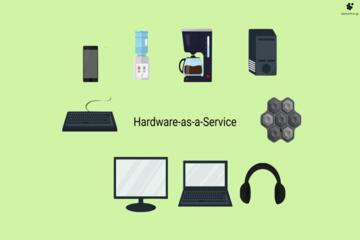
Hardware-as-a-Service Basics
Hardware-as-a-Service (HaaS) is a contract model where a provider supplies hardware and related services under a recurring fee, rather than selling the equipment outright. The customer usually pays monthly or quarterly for a bundle that may include installation, maintenance, software support, device replacement, and sometimes financing. In practice, HaaS shows up in areas like networking gear, point-of-sale terminals, printers, medical imaging peripherals, and workplace devices, though the exact bundle varies by contract.
Most HaaS deals separate the “device” from the “service wrapper,” which changes how you should read the numbers. A subscription line item can hide costs that would be obvious in a purchase, such as shipping, spare parts, downtime charges, data migration, and end-of-term refurbishment. I’ve seen contracts where the monthly fee looks stable, then the renewal clause ties pricing to an index and the replacement cadence depends on usage metrics—small wording, big cash impact.
To evaluate HaaS, you need to track three financial views: cash flow timing, total cost of ownership over the contract term, and residual value or exit costs. If you only compare monthly payments, you can miss that a “lower payment” can come from a longer term, higher service fees, or a higher cost to exit early.
Main Financial Pain Points
People often treat HaaS like a simple lease, then get surprised by contract mechanics. A lease typically centers on asset ownership and depreciation, while HaaS centers on service performance and contractual remedies. That difference matters when the provider’s obligations are vague or when the contract shifts risk to the customer through usage thresholds and acceptance criteria.
One common misunderstanding is assuming the monthly fee equals the full cost of the hardware. Many contracts add charges for “out-of-scope” events: accidental damage, non-standard installation, additional devices beyond a committed quantity, or extended support beyond business hours. Another frequent issue is that the provider’s replacement policy may depend on device health reports or ticket resolution times, and the contract may define what counts as a valid failure.
Supporting technologies also shape cost. Remote device management, telemetry, and monitoring tools can reduce downtime, but they can also create recurring licensing fees or data-handling obligations. If the hardware depends on a vendor-specific management agent, switching providers later can require reconfiguration, which becomes a hidden migration cost.
Exit risk is the third pain point. Some HaaS agreements require the customer to return hardware in a specific condition, pay refurbishment fees, or accept a buyout price that is not tied to market value. If you plan to change systems, move locations, or switch to a different platform, the contract’s end-of-term and portability terms decide whether you can unwind without paying twice.
Solutions And Advice
Build A True Cost Model
Start with a worksheet that includes every recurring and one-time line item: monthly subscription, installation, shipping, training, software licenses, support tiers, and any usage-based fees. Add end-of-term costs such as return logistics, refurbishment, data wiping, and potential buyout. For a realistic comparison, calculate total cost over the same horizon you would use for buying or leasing, not just the first 12 months.
When you request pricing, ask for a sample invoice for a typical month and a sample invoice for a month with a replacement event. Providers sometimes price “normal operations” well, then charge sharply for exceptions. I once reviewed a quote where the replacement fee was separate, and the contract defined “replacement” narrowly—so a repair ticket could still cost you, even when the device was down for days.
Stress-Test Contract Terms
Read the service-level language like it’s a financial instrument. Look for definitions of uptime, response time, resolution time, and what happens if the provider misses targets. Check whether downtime is credited, whether credits are capped, and whether credits are the only remedy. Also confirm how the contract handles hardware refresh cycles, because a “replacement included” promise can still leave you with older devices if the refresh cadence is tied to provider discretion.
For risk control, negotiate clarity on acceptance criteria for repairs and replacements, and require a written process for escalation. If the contract references third-party subcontractors, ask who holds responsibility for performance. A small clause about “best efforts” can turn a predictable cost into a dispute-driven cost.
Plan Exit And Portability
Before signing, map the end-of-term path. Determine whether you can keep the hardware, buy it at a formula price, or must return it. Ask for the return condition standards and the refurbishment fee schedule, then estimate your likely condition based on your operational reality.
Portability matters when the hardware is tied to vendor management software. Ask whether you can export configuration, device logs, and inventory data in a usable format. If the provider uses proprietary management tooling, request a migration plan and timeline. In one procurement I supported, the contract allowed data export but required a paid “unlock” step, which turned a routine exit into a billable project.
Compare Against Buying Or Leasing
Use a like-for-like comparison. If you buy, include maintenance contracts, spare parts, and planned refresh costs. If you lease, include lease payments, end-of-term options, and any required maintenance. For HaaS, include the service bundle and any software licensing that would otherwise be separate.
Then compare cash flow and risk, not just cost. HaaS often shifts capex to opex, which can help budgeting, but it can also lock you into a vendor relationship. A practical check is to compute the “break-even” month where cumulative HaaS payments exceed the cumulative cost of buying plus maintenance, then see how sensitive that break-even is to replacement frequency.
Case Examples For Evaluation
Example 1: Clinic Imaging Peripherals A mid-size clinic considers HaaS for imaging peripherals used with an existing workstation. The provider offers a monthly fee including preventive maintenance and replacement for failures. The clinic’s finance team requests the replacement policy in writing and learns that “failure” excludes certain calibration drift events unless they exceed a threshold. The clinic also checks data handling terms for device logs and confirms the export format for audit trails. In the final comparison, HaaS reduces unplanned downtime costs, but the clinic still budgets for out-of-scope events like accidental drops and for return logistics at contract end.
Example 2: Retail Network Equipment A regional retailer signs HaaS for network switches and access points tied to remote monitoring. The contract includes installation and standard support hours, but it charges for after-hours response and for additional devices beyond a committed quantity. During peak season, the retailer needs extra access points for temporary pop-ups and faces a higher per-device fee than expected. The retailer negotiates a clearer definition of “committed quantity” and adds a clause for price caps on incremental devices. The lesson is that HaaS can look predictable until operational scaling triggers the contract’s exception pricing.
Pros And Cons Checklist
| Decision Area | HaaS Tends To Help When | HaaS Tends To Hurt When | What To Ask |
|---|---|---|---|
| Cash Flow | You prefer predictable monthly spend over large upfront purchases. | You need flexibility to change scope, locations, or device counts mid-term. | What are the fees for adding/removing devices and for early termination? |
| Total Cost | Maintenance and replacement costs would be hard to forecast. | Exception charges dominate due to high failure rates or heavy usage. | Provide a 12-month cost breakdown including replacement and out-of-scope events. |
| Service Performance | The contract defines remedies for missed response/resolution times. | Service levels are vague or credits are capped and non-cash. | What credits apply, how are they calculated, and what counts as a valid ticket? |
| Exit And Data | You can export inventory and logs in usable formats and return hardware without surprise fees. | You face refurbishment charges, proprietary lock-in, or unclear buyout pricing. | What are return standards, refurbishment fees, and the buyout formula? |
Step-by-step checklist:
- List your current hardware costs for the last year: purchase, maintenance, repairs, downtime workarounds, and any refresh projects.
- Request an HaaS quote with a line-item breakdown and a sample invoice that includes at least one replacement event.
- Match contract term length to your operational planning horizon, then compute total cost over that term.
- Write down the top three failure modes in your environment, then confirm how each is handled in the contract.
- Confirm exit options in writing: return condition, refurbishment fees, buyout price, and data export format.
- Ask for a written escalation path and the remedy schedule for missed service levels.
Common Mistakes To Avoid
One mistake is comparing only monthly pricing without modeling end-of-term costs. A contract can look cheaper until return logistics and refurbishment fees arrive, and those fees often depend on condition standards that are not intuitive.
Another mistake is treating service-level language as marketing rather than enforceable terms. If the contract does not define what counts as downtime, how tickets are logged, and what credits apply, the remedy becomes hard to claim when performance slips.
Procurement teams also miss scope boundaries. If the quote assumes a certain number of devices, certain locations, or certain support hours, then any deviation can trigger higher fees. A version number on the provider’s management agent (for example, “agent v3.2.1”) can matter when you later need to integrate with your inventory system, and the contract may not cover that integration work.
Finally, some buyers ignore data-handling obligations tied to connected hardware. Even when the hardware is “just devices,” telemetry and logs can fall under privacy and security requirements, and the contract should state who controls access, retention, and deletion. If you operate under HIPAA in the United States, you still need a Business Associate Agreement when applicable; HaaS contracts often involve vendors that touch systems used for protected health information.
FAQ
Is HaaS Treated Like Leasing?
HaaS can resemble leasing in cash flow, but the contract usually centers on service performance and bundled support. The legal and accounting treatment depends on contract terms and jurisdiction, so you should confirm with your finance team and auditors.
What Costs Are Commonly Hidden?
Common add-ons include installation outside the base scope, after-hours support, incremental devices beyond committed quantities, shipping for replacements, refurbishment at return, and fees for data export or migration.
How Do I Compare Total Cost Fairly?
Compare over the same term and include end-of-term costs. Use a line-item model that includes maintenance, spares, downtime workarounds, and any software licensing that would otherwise be separate.
What Should I Check For Exit?
Confirm return condition standards, refurbishment fee schedules, buyout pricing formulas, and data export formats. Also check whether proprietary management tooling creates lock-in that requires paid migration work.
Does HaaS Affect Privacy Or Security?
Connected hardware can generate logs and telemetry, and vendors may access systems for support. If protected health information is involved, contracts may need HIPAA Business Associate terms and clear data retention and deletion rules.
Author's Insight
HaaS contracts shift risk from ownership to service delivery, so the financial outcome depends on how the contract defines failures, remedies, and exceptions. A careful buyer treats the quote like a set of conditional pricing rules rather than a single monthly number. I rely on contract-reading heuristics such as mapping every “out-of-scope” trigger to a cost estimate, and verifying that data export and return terms are explicit. When the contract language is thin, the cost model becomes less reliable, and you should negotiate clarity before signing.
Key Takeaways
- Model total cost over the full term, including installation, exception charges, and end-of-term return or buyout costs.
- Service-level terms matter financially; look for defined downtime, ticket handling, and enforceable remedies.
- Plan exit and data portability early to avoid proprietary lock-in and surprise refurbishment fees.
- Compare HaaS against buying or leasing using like-for-like scope, not just monthly payments.