Rethinking the Value Exchange: How Modern Memberships Work
The subscription model functions by charging customers a recurring fee—monthly or annually—to access a product, service, or digital platform. Unlike traditional retail, where the goal is a "handshake and a goodbye" at the point of sale, subscriptions require the provider to prove their value every single day. If the value ceases, the customer cancels. This creates a feedback loop that forces companies to innovate faster and listen more closely to user behavior data.

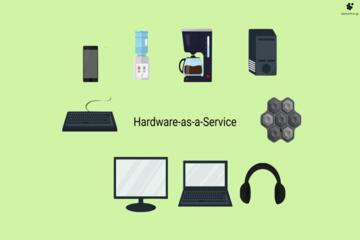
In practice, we see this across three main pillars: Software as a Service (SaaS), physical replenishment, and curated experiences. For example, Adobe transitioned from selling $2,000 software boxes to a Creative Cloud subscription. This lowered the initial cost for freelancers while ensuring Adobe had a steady stream of R&D capital. Similarly, Whoop doesn’t just sell a fitness wearable; they sell a membership to physiological data insights, making the hardware a secondary gateway to the primary service.
Recent data highlights the gravity of this shift. According to the Subscription Economy Index (SEI), subscription businesses have grown nearly 4.6 times faster than the S&P 500 over the last decade. Furthermore, a Gartner study suggested that by the mid-2020s, 75% of organizations selling direct to consumers will offer some form of subscription service, highlighting that the "ownership" era is rapidly being replaced by the "usership" era.
The Hidden Fractures in Recurring Revenue Strategies
Many companies fail because they treat a subscription like a "set and forget" billing cycle rather than a dynamic service. A common mistake is focusing exclusively on Customer Acquisition Cost (CAC) while ignoring the Churn Rate. If you spend $100 to acquire a user who pays $10 a month but leaves after three months, you have a negative return on investment. This "leaky bucket" syndrome is often caused by a lack of ongoing engagement post-purchase.
Another significant pain point is "Subscription Fatigue." Users are becoming overwhelmed by the number of monthly withdrawals from their bank accounts. When a household manages 10 to 15 different services—ranging from Netflix and Spotify to Amazon Prime and cloud storage—they start auditing their expenses. If your service doesn't provide a daily or weekly "aha!" moment, it is the first to be cut during a financial audit.
Finally, rigid pricing tiers often alienate potential power users or budget-conscious beginners. Companies frequently force users into "Small, Medium, or Large" buckets that don't reflect actual usage. This mismatch leads to "vampire subscriptions," where users pay for features they never touch, eventually leading to resentment and a permanent exit from the brand ecosystem.
Engineering a Sustainable Subscription Ecosystem
Prioritize Net Revenue Retention (NRR) over Simple Growth
Growth is meaningless if your existing base is shrinking. NRR measures how much your revenue grows from existing customers through upsells and expansions, minus churn.
-
What to do: Implement "Expansion Tracks." If a user on Slack hits a certain message limit, provide a seamless path to the next tier that offers tangible benefits like better security or integration history.
-
Tools: Use ProfitWell or Baremetrics to visualize where your revenue is leaking and which cohorts are most loyal.
-
Result: High-performing SaaS companies often maintain an NRR of over 120%, meaning they grow 20% annually without adding a single new customer.
Implement Usage-Based or "Hybrid" Pricing
Standard flat-fee tiers are becoming obsolete. Modern leaders like Snowflake or Twilio use consumption-based models.
-
What to do: Combine a low "base" subscription fee for access with a "pay-as-you-go" component for heavy usage. This ensures that light users don't feel overcharged while heavy users contribute more to the infrastructure they use.
-
The Practice: HubSpot does this effectively by charging for the platform but scaling the price based on the number of marketing contacts managed.
-
Result: This aligns your success directly with the customer's success, reducing the friction of the initial sale.
Master the "Dunning" Process and Involuntary Churn
Up to 30% of churn isn't intentional; it’s caused by expired credit cards or failed transactions.
-
What to do: Use automated dunning management. This involves pre-emptively emailing users when a card is about to expire and using smart retries for failed payments.
-
Tools: Services like Stripe Billing or Recurly offer automated "Smart Retries" that use machine learning to attempt charges at times when they are most likely to succeed.
-
Result: Most businesses can recover 5% to 10% of lost revenue simply by optimizing their payment recovery logic.
Applied Success: Lessons from Market Leaders
Case Study 1: The Porsche Drive Program
The automotive industry faced a challenge with declining ownership interest among younger demographics. Porsche launched "Porsche Drive," a subscription service allowing users to swap between different models (from 911s to Cayennes) for a monthly fee that includes insurance and maintenance.
-
The Strategy: They removed the friction of long-term financing and maintenance anxiety.
-
The Result: Porsche reported that 80% of subscription participants were new to the brand. This allowed them to capture a younger audience that wasn't ready to drop $100,000 upfront but could afford $2,500 a month for flexibility.
Case Study 2: The New York Times Digital Transformation
In 2011, the New York Times was struggling with declining print ad revenue. They implemented a "metered paywall" subscription.
-
The Strategy: Instead of a hard wall, they allowed a few free articles to build a habit before asking for a subscription. They focused on "Subscriber-Only" newsletters and apps like NYT Cooking and The Games.
-
The Result: By 2023, they surpassed 10 million subscribers. Digital subscription revenue now far outweighs print revenue, proving that people will pay for high-quality, curated content if the delivery platform is frictionless.
Critical Checklist for Subscription Success
| Strategy Pillar | Key Action Item | Success Metric |
| Onboarding | Provide a "Quick Win" within the first 5 minutes of sign-up. | Time-to-Value (TTV) |
| Engagement | Send personalized "Usage Reports" showing the value saved. | Weekly Active Users (WAU) |
| Retention | Offer a "Pause" option instead of a "Cancel" button. | Save Rate percentage |
| Pricing | Audit tiers every 6 months against competitor benchmarks. | Average Revenue Per User (ARPU) |
| Support | Implement 24/7 self-service portals for account changes. | Support Ticket Volume |
Evading the Pitfalls of Recurring Billing
A major error is making the cancellation process difficult. While "dark patterns"—like forcing a phone call to cancel—might save a customer today, they destroy brand reputation and invite regulatory scrutiny from the FTC. A transparent, one-click cancellation actually builds trust. Paradoxically, customers are more likely to resubscribe later if the exit was painless.
Over-discounting is another trap. Offering "90% off for the first month" often attracts "deal seekers" who have no intention of staying at full price. This inflates your acquisition numbers with low-quality leads. Instead, offer a limited-feature "Freemium" version or a short trial period that requires no credit card. This ensures that the people who eventually convert are doing so because they value the product, not just the discount.
FAQ: Essential Inquiries on Recurring Models
What is the ideal churn rate for a subscription business?
For B2B SaaS, an annual churn rate of 5% to 7% is considered healthy. For B2C (consumer apps), the rate is usually higher, often ranging between 2% and 5% monthly. Anything above 10% monthly is a signal of a "product-market fit" crisis.
How do I handle a price increase without losing everyone?
Transparency is key. Inform users 30 to 60 days in advance. Grandfathering in your oldest, most loyal customers at their original price for an extra year is a powerful way to reward loyalty while still increasing revenue from new cohorts.
Should I offer a free trial or a freemium model?
Free trials work best for complex products where the user needs to see the full power to be convinced. Freemium is better for "viral" products where more users (even non-paying ones) add value to the network, such as Dropbox or Trello.
What is the most important metric to track?
LTV/CAC ratio. This compares the Lifetime Value of a customer to the Cost of Acquiring them. A healthy business should aim for a ratio of 3:1 or higher. If it’s 1:1, you are essentially paying people to use your service.
How does the subscription model impact accounting?
It shifts the focus to Monthly Recurring Revenue (MRR) and Annual Recurring Revenue (ARR). You cannot recognize the full annual payment as revenue immediately; you must recognize it month-by-month as the service is delivered (Accrual Accounting).
Author’s Insight: The Human Element of Automation
Having consulted for various startups transitioning to recurring models, I’ve noticed that the most successful ones don't treat their customers as "accounts," but as "members." The biggest mistake I see is when companies stop "selling" to the customer once they’ve signed up. In my experience, the moment you stop treating a current subscriber with the same urgency as a prospective lead is the moment you begin losing them. My practical advice: every quarter, send your subscribers a "Value Realized" summary. Show them exactly how many hours they saved using your tool or how many deliveries they received. Visualizing the "why" behind their monthly bill is the most effective psychological barrier against churn.
Conclusion
The transition to a subscription-based service model requires a fundamental shift from product-centric to customer-centric thinking. Success depends on mastering the balance between acquisition costs and long-term retention through data-driven pricing, seamless payment recovery, and constant value delivery. To build a sustainable recurring revenue stream, businesses must prioritize net revenue retention and maintain an transparent, high-trust relationship with their users. Start by auditing your current churn data and identifying the specific point where users lose interest; fixing that gap is the fastest way to stabilize your growth.