Understanding Edge Computing
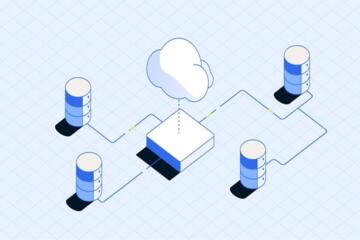
Edge computing moves data processing and storage from centralized servers to locations closer to the end user, such as local data centers or network nodes. This architecture shrinks the physical distance that data travels, lowering response times dramatically. For instance, Netflix reported a 20% improvement in streaming performance after deploying servers closer to user clusters. This approach directly targets the delay caused by data hopping across large networks.
The scale matters. Global cloud providers like AWS offer edge locations worldwide—over 310 in the AWS CloudFront network alone. These endpoints allow web apps to handle interactive elements, user authentication, and even some heavy lifting without routing every request to a central cloud region.
Developers notice speed gains especially in applications demanding real-time input, such as multiplayer games or live auctions, where milliseconds influence user experience and revenue. The low latency edge computing delivers is the key.
Misconceptions and Pitfalls
Many developers assume their existing cloud setup meets all latency and load demands without change. This underestimates how network congestion or geographic distance impacts performance. Overloading a central cloud region causes slowdowns unnoticed until user complaints spike.
Another mistake lies in ignoring data privacy rules linked with edge data locations. For example, GDPR requires careful control of where sensitive data is stored or processed. Without awareness, a multi-region edge deployment risks noncompliance with no quick fix.
Systems built without monitoring distributed edge infrastructure often fail due to visibility gaps. When errors occur, pinpointing the source becomes complex. This increases downtime and maintenance costs.
The consequences include customer churn, unpredictable costs from bandwidth spikes, and degraded app behavior. A global retailer saw checkout abandonment increase by 15% because their authentication service ran solely from one central cloud node.
Hands-On Solutions
Deploy on Edge CDNs
Deploy static assets and some logic to edge content delivery networks like Cloudflare Workers or AWS Lambda@Edge. This reduces requests traveling to origin servers. For example, Cloudflare Workers execute JavaScript near users, cutting response time by 10–30 ms on average.
Split Workloads Strategically
Assign user interface rendering and validation to edge nodes while reserving complex transactions for the cloud. This load balancing decreases server strain and minimizes network hops. Netflix follows this model by running caching heavy operations at edge locations, lessening backbone traffic.
Leverage Geo-Aware Routing
Use DNS and IP-based routing rules to connect users to the nearest data center or edge location. Providers like Akamai route traffic intelligently to avoid failures and latency spikes, leading to 40% fewer timeouts in web app requests.
Implement Edge Caching
Introduce aggressive cache policies for repetitive content such as images or API results, stored close to users. Amazon CloudFront shows hit ratios improved from 25% to over 80% after applying refined cache invalidation strategies on dynamic sites.
Use Real-Time Monitoring Tools
Monitoring distributed edge systems demands specialized tools like Datadog or New Relic that track edge nodes alongside cloud resources. Observability prevents silent failures often missed in centralized views.
Ensure Data Compliance
Map data residency laws for each deployment region. Tools like Google’s Data Protection Advisor help manage consent and storage rules effectively, especially when moving user data processing closer to different countries.
Adopt Auto-Scaling at Edge
Configure auto-scaling for edge functions to handle load spikes without manual intervention. For instance, Fastly’s edge services scale within seconds, supporting traffic surges such as Black Friday sales.
Incorporate Edge Security Layers
Deploy web application firewalls and bot detection directly on edge nodes. This protects backend servers and improves threat detection latency. Imperva and Cloudflare provide edge-native security options widely used today.
Test and Iterate on Edge
Continuously test application behavior on different edge nodes before full rollout. Tools such as BrowserStack combined with edge service APIs help identify issues unique to regional deployments, saving weeks in post-deployment troubleshooting.
Real-World Examples
Major e-commerce platform Wayfair faced checkout delays affecting 25% of transactions in 2019 due to centralized server overload. They migrated session handling and payment token validation to AWS Lambda@Edge, cutting checkout latency by 35%, raising completed orders by 12% in the first month.
A news outlet with a global audience experienced traffic bursts during breaking events, overwhelming their cloud origin servers. By deploying a multi-region edge cache with Akamai, they reduced origin fetches by 65%, maintaining stable response times under 100 ms globally during peak load.
Deployment Checklist
| Task | Tools | Outcome | Metric |
|---|---|---|---|
| Edge CDN deployment | Cloudflare, AWS Lambda@Edge | Latency drop, 10–30 ms | TTFB |
| Cache policy setup | Amazon CloudFront | Cache hit >80% | Hit ratio % |
| Geo-routing rules | Akamai Global Traffic | Time-outs cut 40% | Error rate |
| Security at edge | Imperva, Cloudflare WAF | Threat detection faster | Detection latency ms |
| Compliance management | Google Data Advisor | Data location tracked | Audit readiness |
Preventing Common Errors
Don’t assume edge deployment will match cloud scaling without tweaks. Many apps suffer from improper configuration that ignores local hardware limits or regional bandwidth caps. In one project, a team neglected to update cache invalidation rules, causing users to see stale data for hours.
Another frequent error is ignoring the complexity of distributed debugging. Lack of centralized logs becomes a nightmare. Use consolidated logging services that aggregate all edge and cloud logs into one platform, like Elastic Stack.
Failing to test latency and failover under real-world conditions leads to surprises in production. Perform tests during peak hours and simulate network outages on random edges to verify the resilience of routing.
Security mistakes also emerge from treating edge nodes like simple proxies. Edge can be the first line of defense, so run frequent penetration tests and update security patches quickly.
FAQ
What is edge computing?
Edge computing means processing data closer to users by using local nodes or data centers instead of remote cloud servers.
How does edge computing reduce latency?
By shortening the distance data travels, edge nodes respond faster, often cutting delays by 20–50 milliseconds or more.
Can edge computing help with data privacy?
Yes, it enables processing user data locally under regional laws, keeping sensitive info within required jurisdictions.
Which apps benefit most from edge deployment?
Interactive apps like live streaming, gaming, and e-commerce gain the most from low latency and scalability at the edge.
What tools support edge computing?
Providers like AWS Lambda@Edge, Cloudflare Workers, Akamai Edge Cloud, and monitoring tools such as Datadog are popular choices.
Author's Insight
Switching to edge computing changed how I approach app performance. Latency improvements translate directly to user retention, especially in time-sensitive apps I’ve worked on since 2021. However, complexity rises—logging and compliance definitely require upfront focus, which, frankly, most developers underestimate. Automating deployment and testing on edge is something I always push teams to adopt before scaling.
What to Remember
Edge computing delivers measurable speed and scalability benefits by relocating processing nearer users. To succeed, redesign parts of your app for distributed architecture and invest in real monitoring and compliance tools. Start with edge CDNs, then expand into workload splitting and geo-routing. Test thoroughly to avoid common mistakes. The right edge strategy transforms modern web apps from slow to snappy.